When an articulating boom fits the job
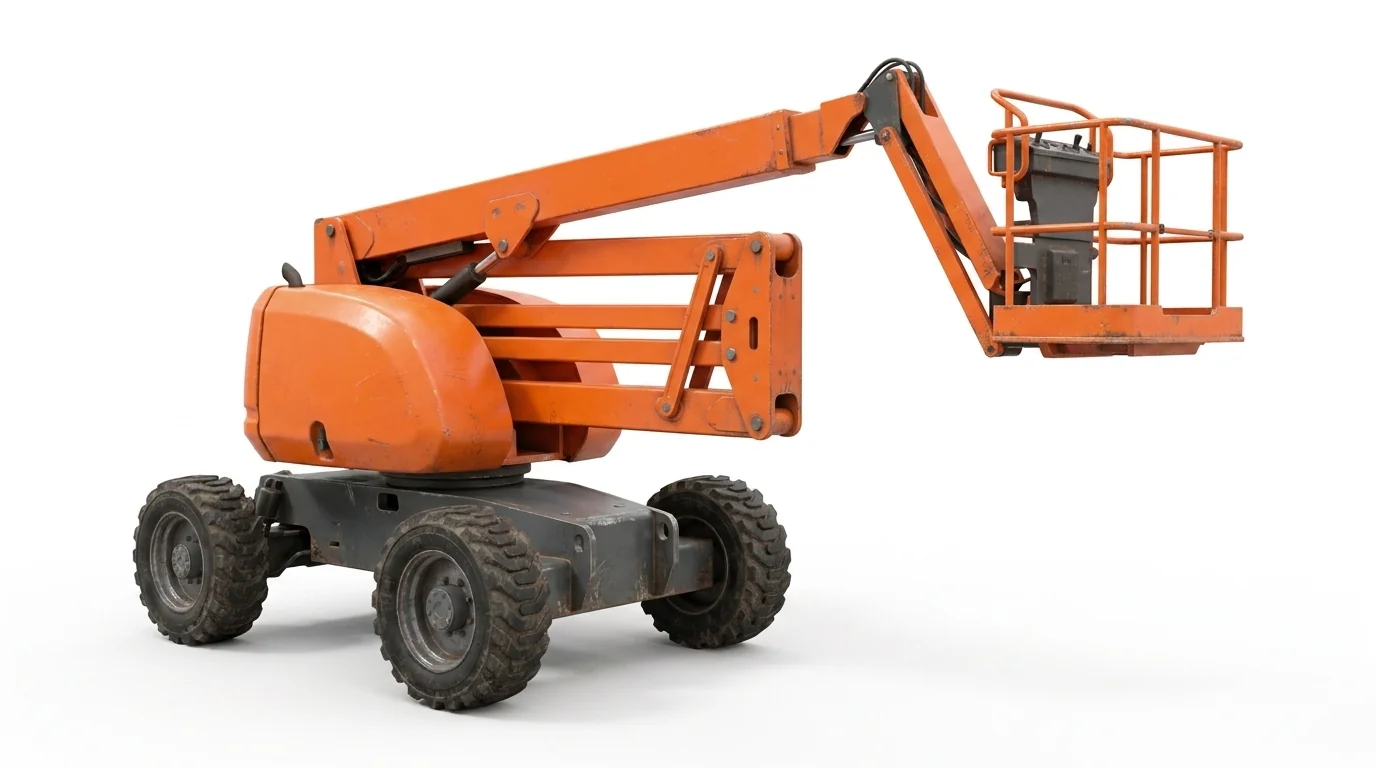
The key question is whether the machine must get over and around something before it can go up. In industrial buildings, ducts and mezzanines block straight shots. In downtown maintenance, narrow approaches and pedestrian corridors limit setup. An articulating boom allows you to climb, articulate over the obstacle, then extend to the work.
Consider these planning points: - Can the machine sit below the task, or must it clear an obstruction first? - How tight is the approach path through doors, corridors, or between stored materials? - Are you on slab-rated interior floors or exterior mixed surfaces after freeze-thaw cycling?
Local conditions that change the comparison
Minneapolis winters challenge hydraulics and batteries outdoors. For exterior use, cold-weather packages and proper fluids influence reliability. Spring ground movement can loosen gravel and create soft patches, so the choice between slab or rough-terrain configurations matters. Indoors, high-reach maintenance in regional warehouse districts often favors electric articulating models for maneuverability without exhaust.
Size, reach, and surface constraints
- Platform height and horizontal reach: Up-and-over geometry matters more than pure height. Measure the obstacle height and the setback from its base.
- Weight and floor rating: Interior slab ratings limit total machine weight; check the path, not just the work zone.
- Power type: Electric for interior slab; dual-fuel or diesel for exterior, especially when wind exposure and cold starts are expected.
- Tires and leveling: Non-marking tires for polished slab; rough-terrain packages for yards affected by frost heave.
Alternatives on Minneapolis sites
- Straight booms carry more horizontal reach if the line of sight is clear; see /telescopic-boom-lift-rental/.
- Interior vertical maintenance with very tight aisles may suit a /vertical-mast-lift-rental/.
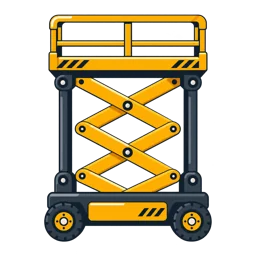
- Pure vertical work with stable slab and no overhead obstacles often calls for /electric-scissor-lift-rental/.
Actual site conditions, the selected unit’s instructions, and job procedures govern exterior and elevated work. Planning measurements and ground truthing in winter or during thaw reduce surprises.