Placement drives size
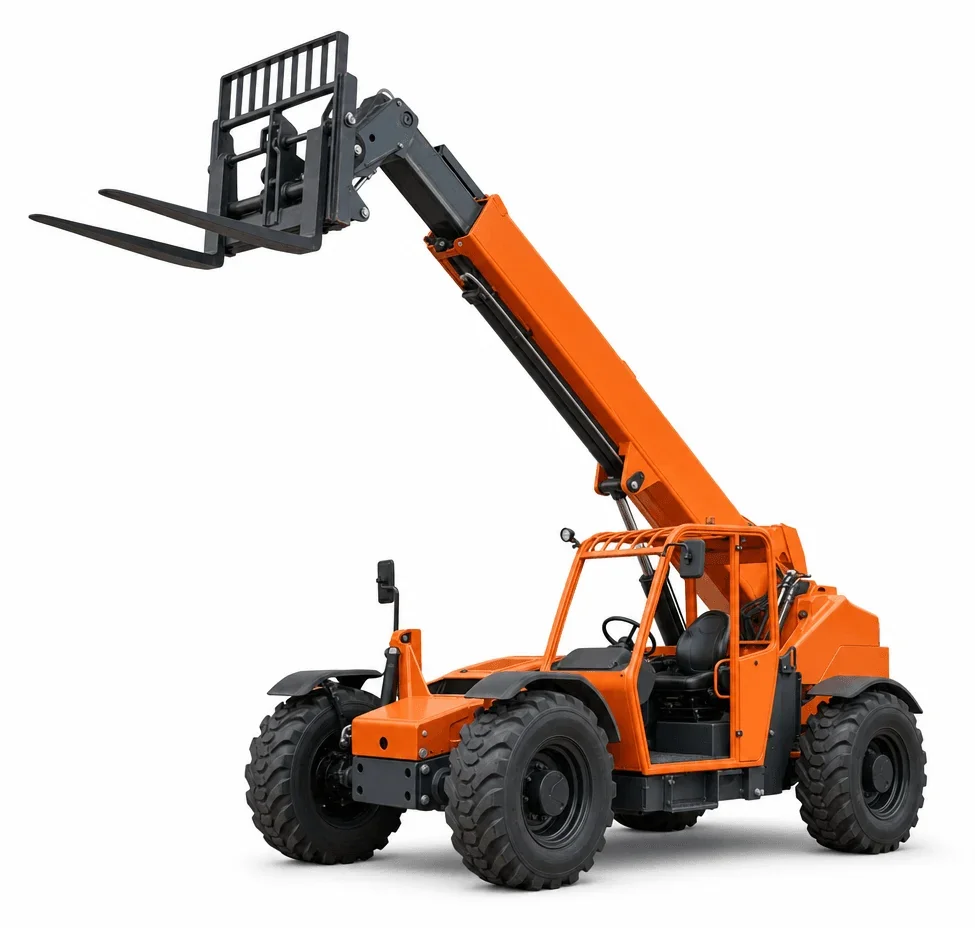
Telehandlers are about getting a specific load to a specific height and distance. Measure pallet weight, center of gravity, and the horizontal setback from the landing. Compare those to the machine’s load chart at the intended boom angle. If the landing is recessed behind railings or façade elements, additional forward reach is often the constraint.
Minneapolis site factors
- Winter: Cold conditions and snow affect traction and visibility. Plan for outdoor reliability and ground clearance.
- Spring: Freeze-thaw can soften yards and loading zones, making outriggers, tires, and approach angles more critical.
- Mixed approaches: Deliveries may pass through slab-rated docks before transitioning to uneven exterior ground.
Configuration choices
- Capacity class: Choose by the heaviest routine lift at the required reach, not the occasional maximum.
- Carriage and forks: Confirm width and fork length accommodate typical pallets and materials used in local construction and maintenance.
- Turning radius and height: Check for gate openings, dock doors, and low canopies along the route.
When another machine is better
- If the task is personnel access, not material placement, see /boom-lift-rental/ for aerial platforms.
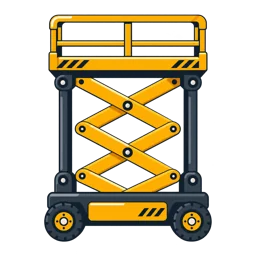
- For interior vertical work without materials, /electric-scissor-lift-rental/ or /vertical-mast-lift-rental/ may be simpler.
- For stacking and dock work on slab, a /forklift-rental/ can be more maneuverable and efficient.
All elevated and exterior work depends on current site conditions, the machine’s documentation, and job procedures. Seasonal ground changes in Minneapolis often determine whether the planned reach is realistic on the day.