Fit the boom to the reach and pad
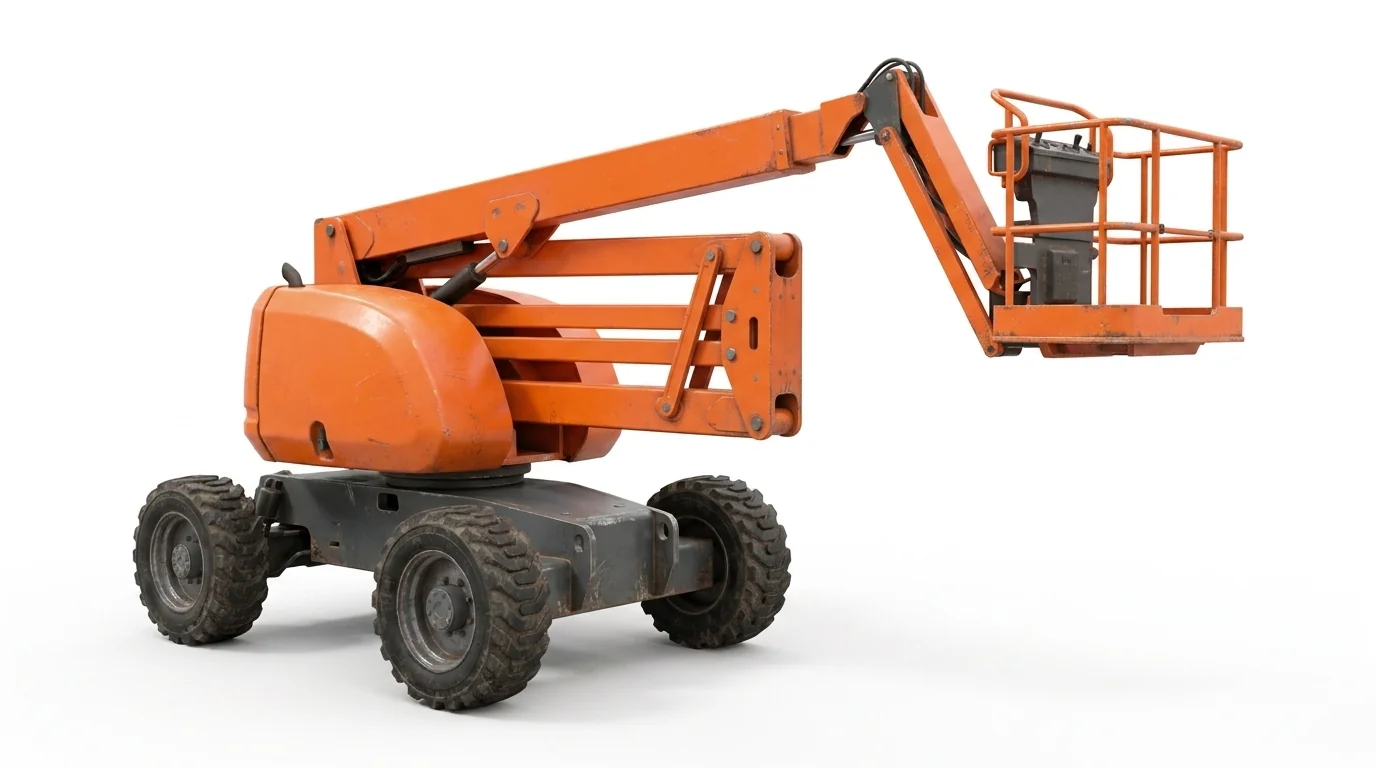
The decision hinges on whether you can park back from the work and still see the target. Telescopic booms deliver longer horizontal reach but demand a clear arc. Measure the setback from the building or structure and confirm there’s enough pad length for safe positioning.
Key constraints to review: - Setback distance versus required platform height and outreach. - Pad preparation in areas subject to frost heave or spring softening. - Overhead lines or edges that could interrupt the straight boom path.
Minneapolis weather and ground factors
Regional winters drive choices in power and tires. Cold temperatures influence hydraulic responsiveness, and snow accumulation changes approach routes. Spring thaw may turn gravel yards uneven, so rough-terrain configurations and ground bearing checks matter. On stable interior slab with open bays, electric models are quieter but are uncommon for the longest reaches; most long-reach work occurs outdoors.
Sizing and configuration
- Reach class: Match required horizontal reach, not just platform height.
- Power: Diesel or dual-fuel outdoors; confirm any indoor portions are ventilated if using combustion power.
- Tires and axles: Rough-terrain packages for variable ground; non-marking only for slab work.
- Transport width and weight: Verify gate, door, and bridge limits along the access route to the pad.
When another lift fits better
- If you must get over canopies, conveyors, or Skyway corridors, see /articulating-boom-lift-rental/.
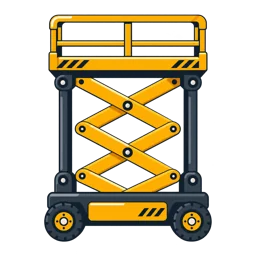
- For purely vertical access on stable slab, /electric-scissor-lift-rental/ can be more compact.
- In tight interiors needing point access, /vertical-mast-lift-rental/ may navigate aisles better.
Exterior and elevated tasks are controlled by onsite conditions, the unit’s documentation, and local procedures. In winter or during thaw, confirm pad stability before committing to long outreach.